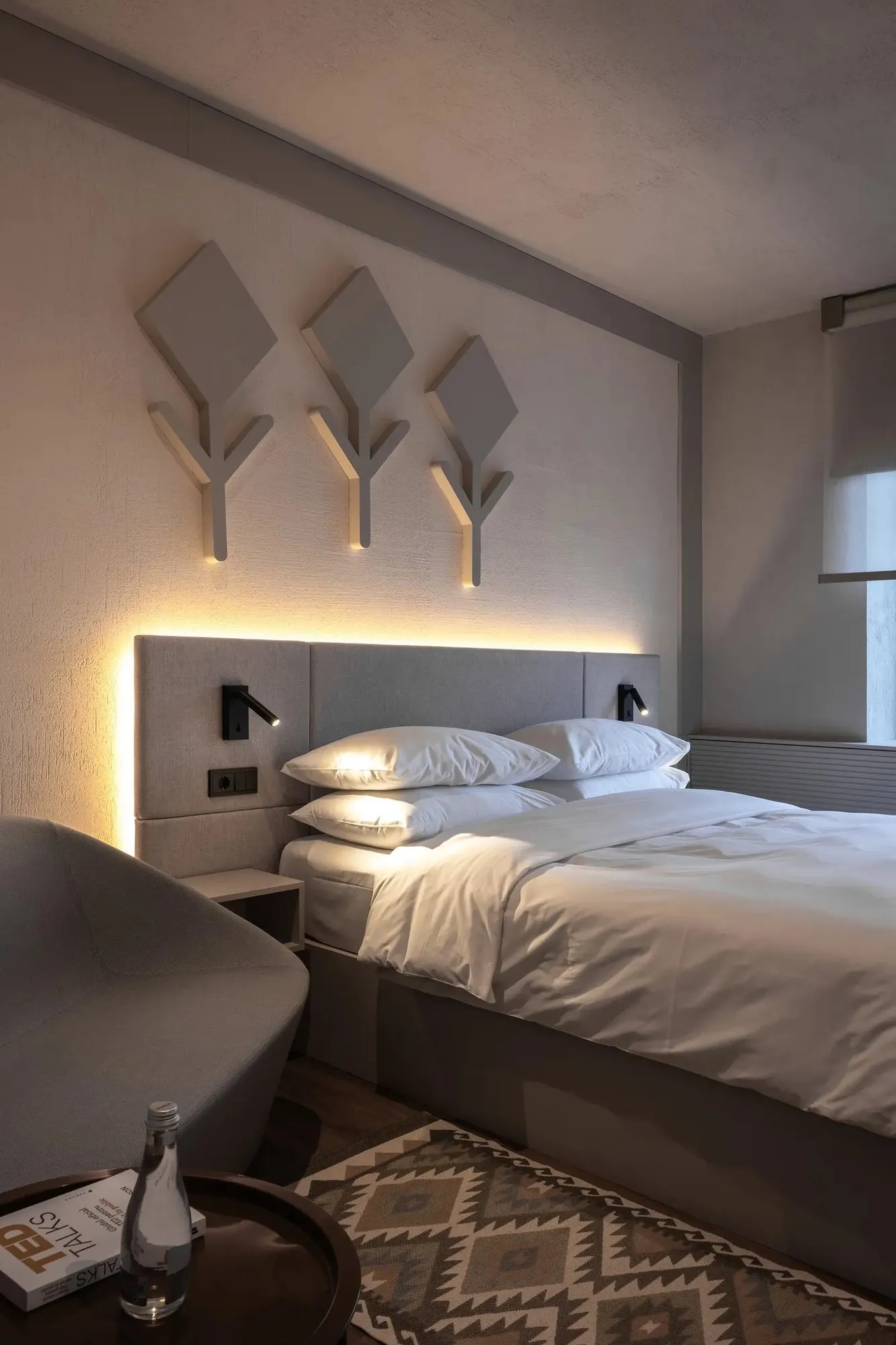
Mimi Hotel
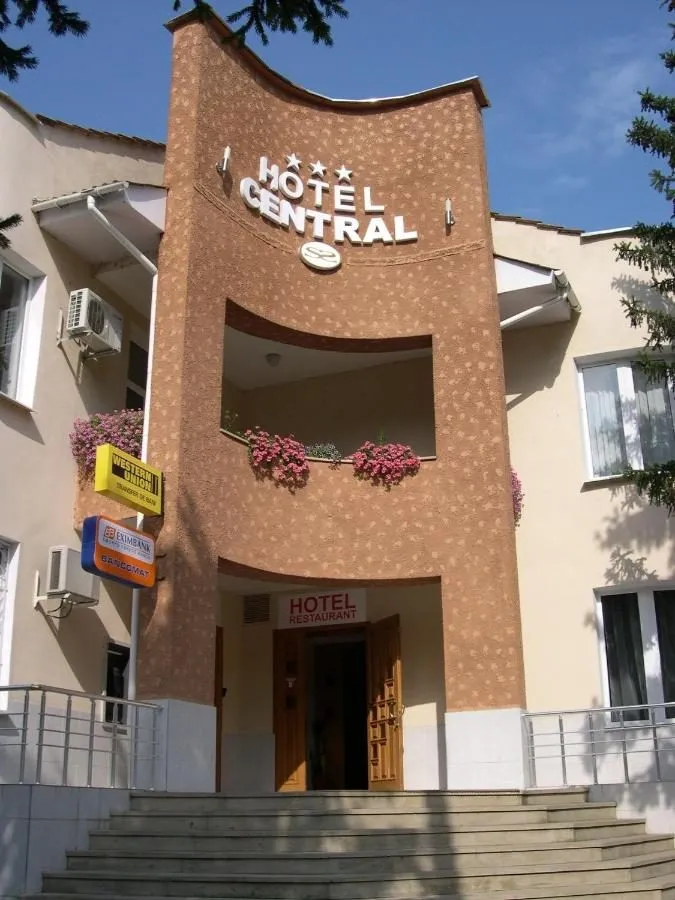
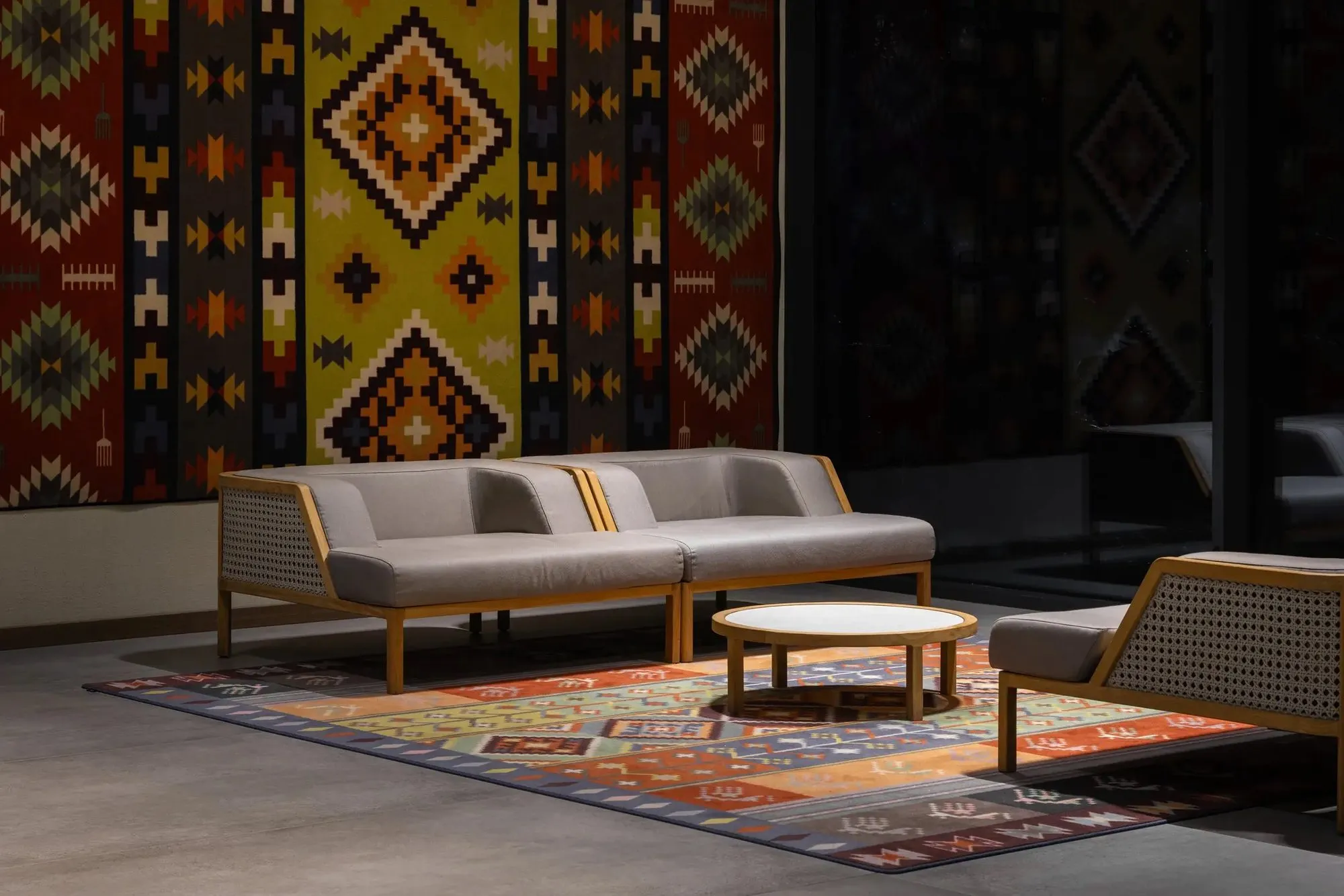
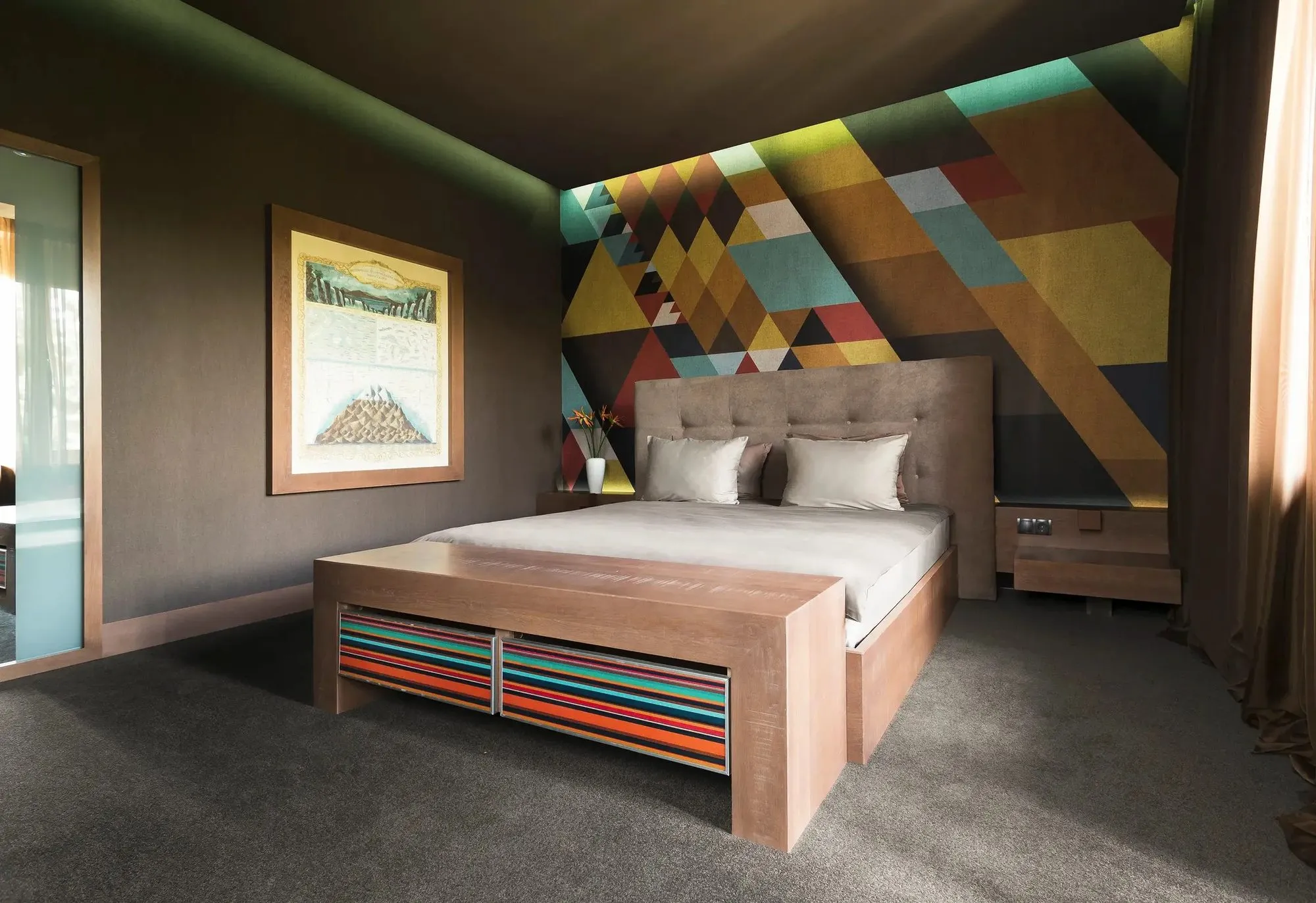
Moldova’s first four-star hotel, newly renovated, beside the central park in Chișinău — an easy walk to dinner and the taproom on our first evening.
Moldova’s north is a land of apple orchards and limestone gorges, of villages strung along the Nistru River and the Prut River where no festive table is complete without babă neagră and a wedding calls for four or five ovenfuls of baking. Few travelers make it this far. We go to meet the families who keep its kitchens, cellars and workshops going.
Over five days we travel north from Chișinău to Soroca and its fortress, follow the Nistru River up to Naslavcea, the country’s northernmost village, and come back down through the limestone gorges of the Prut River. Every layer of the north’s past is on the table along the way — the Roma families of Soroca’s hill, Russian Old Believers who still meet over the samovar, and the beekeepers, cooks and trout farmers who feed us between the villages.
Everywhere we go, we work alongside the people who keep the traditions alive. We weave at the looms of a carpet museum, chisel Cosăuți stone with Ion and his son, take a turn at the potter’s wheel and paint a traditional Malanca winter mask. In between, we hike the impressive gorges of Trinca, Văratic and Duruitoarea, where people sheltered in the caves more than 80,000 years ago — and that’s only part of it.
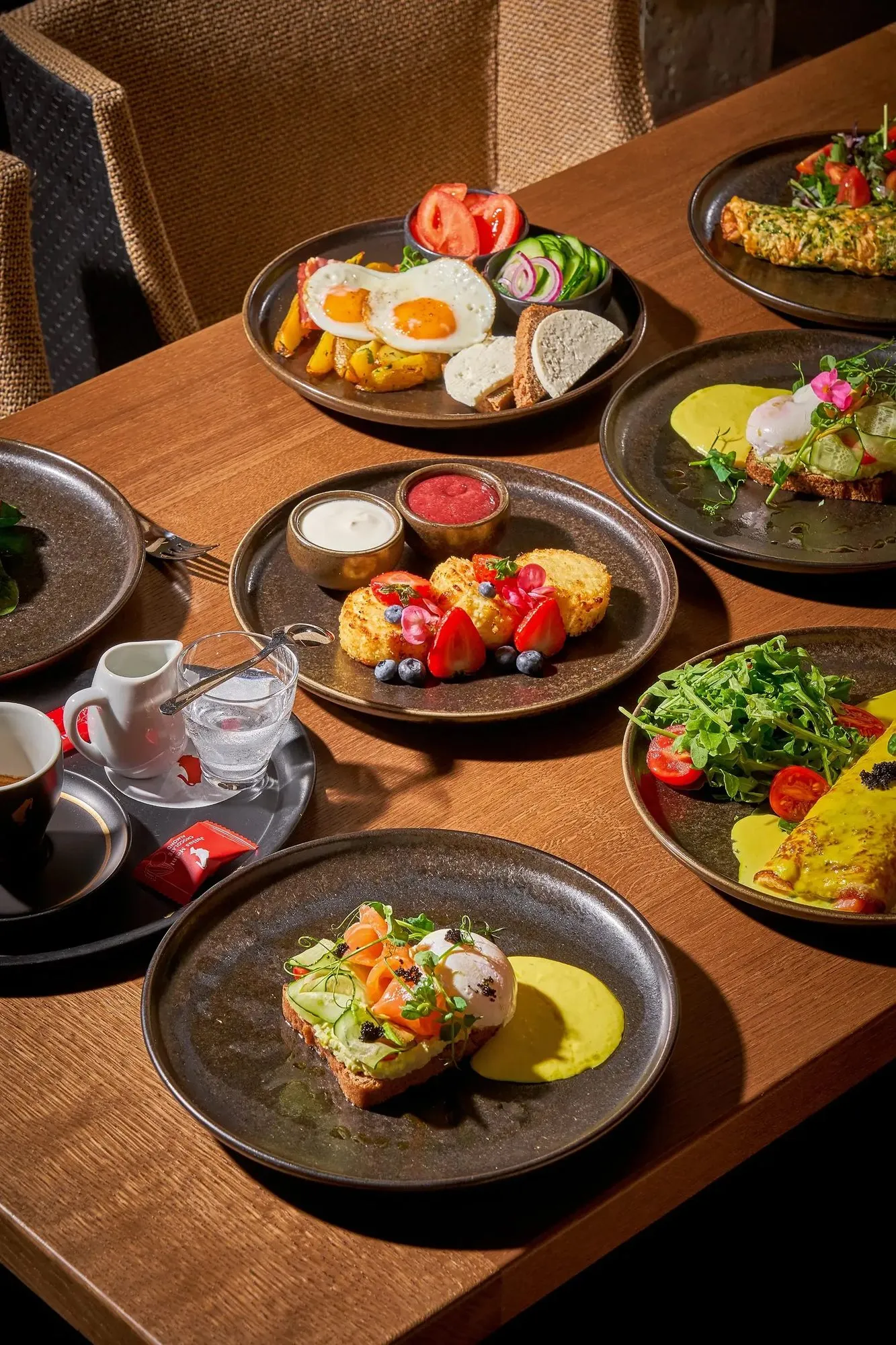
Everything is handled: comfortable private transport, hotels and family guesthouses along the way, every meal and every glass, and all the experiences below. And there are just eight of us — small enough to be welcomed into a kitchen, never a crowd being shown around. Places fill early, and once they’re gone we don’t add more.
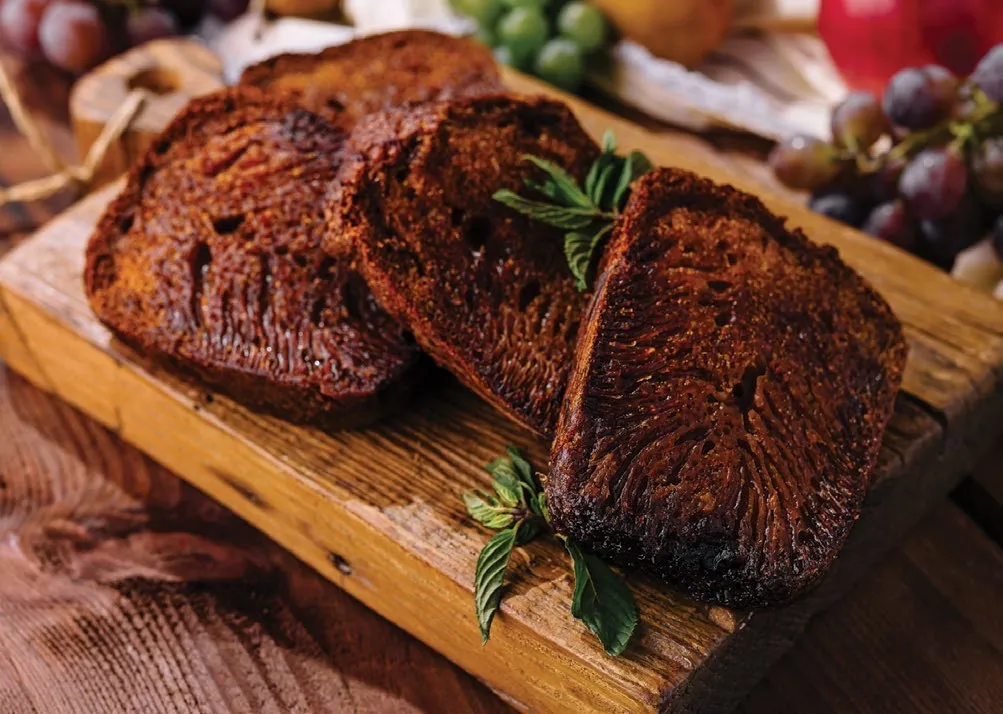
Babă neagră — the quintessential northern dessert, turkey sarmale from the Roma community, and a 15-year-old apple brandy
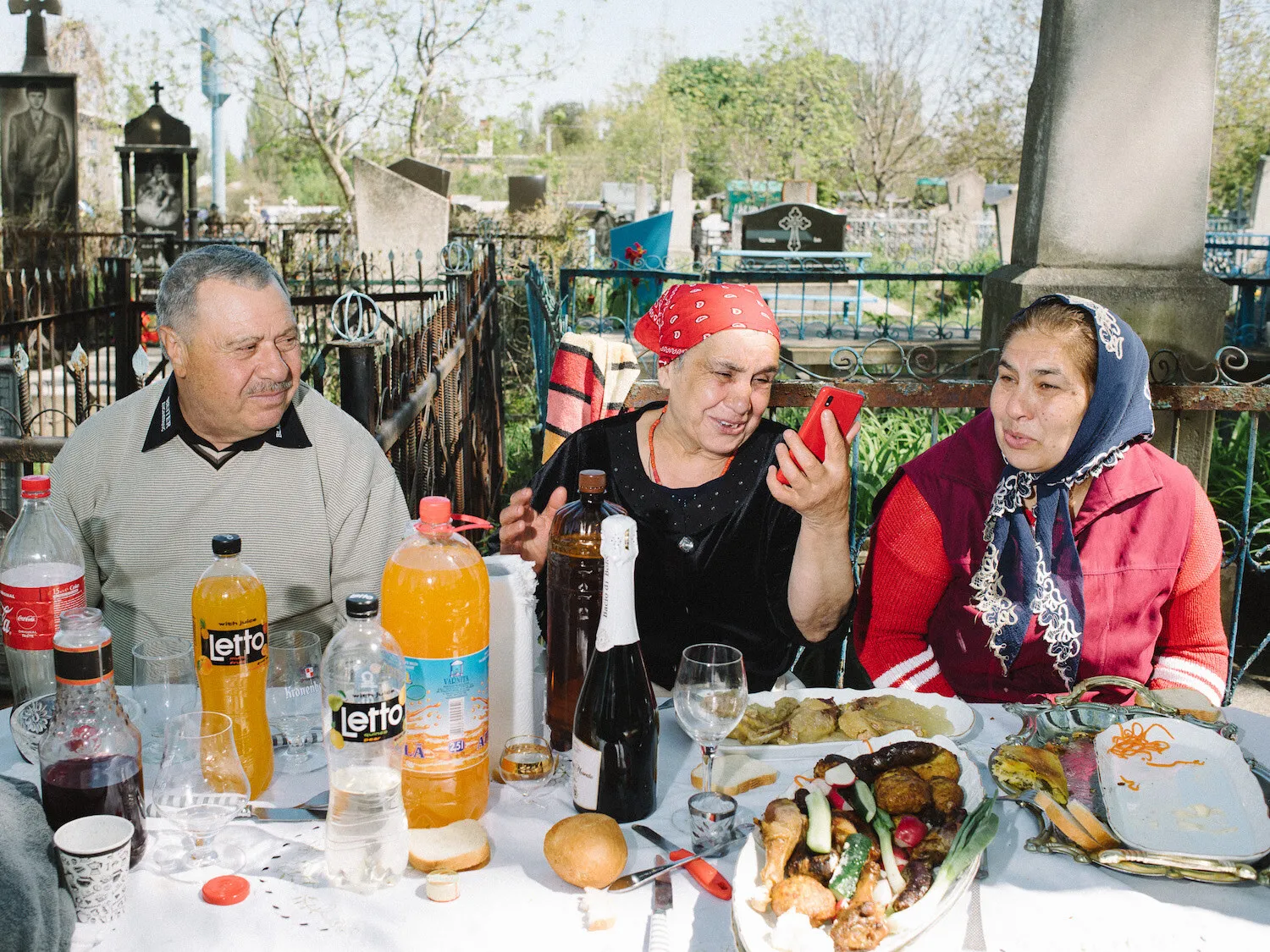
The isolated Old Believer and Roma communities, as well as artisans of all kinds: weavers, stone carvers, potters and beekeepers
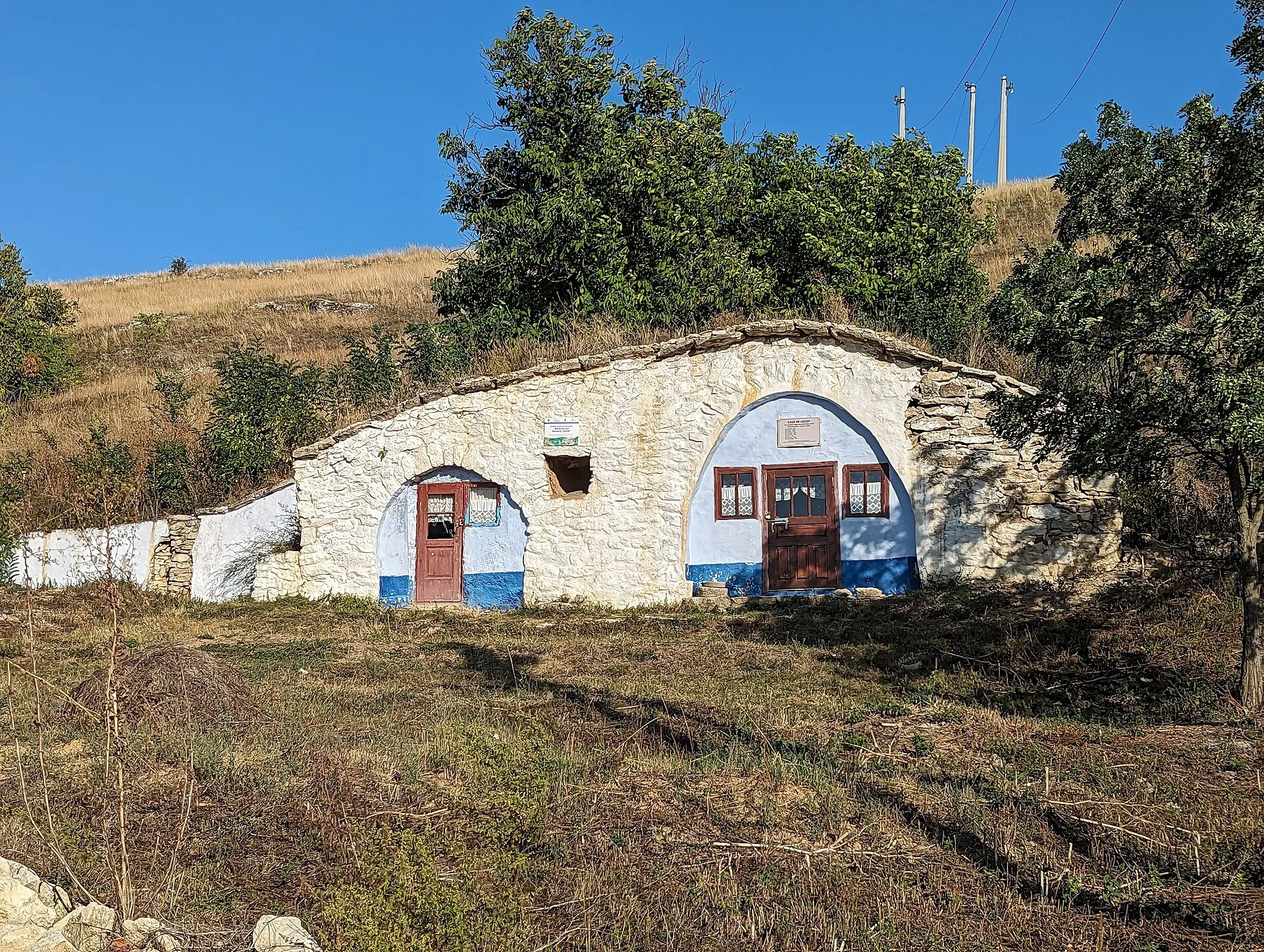
Soroca — the Roma’s “capital”, the hobbit houses of Roșietici and the reef gorges of Trinca, Văratic and Duruitoarea
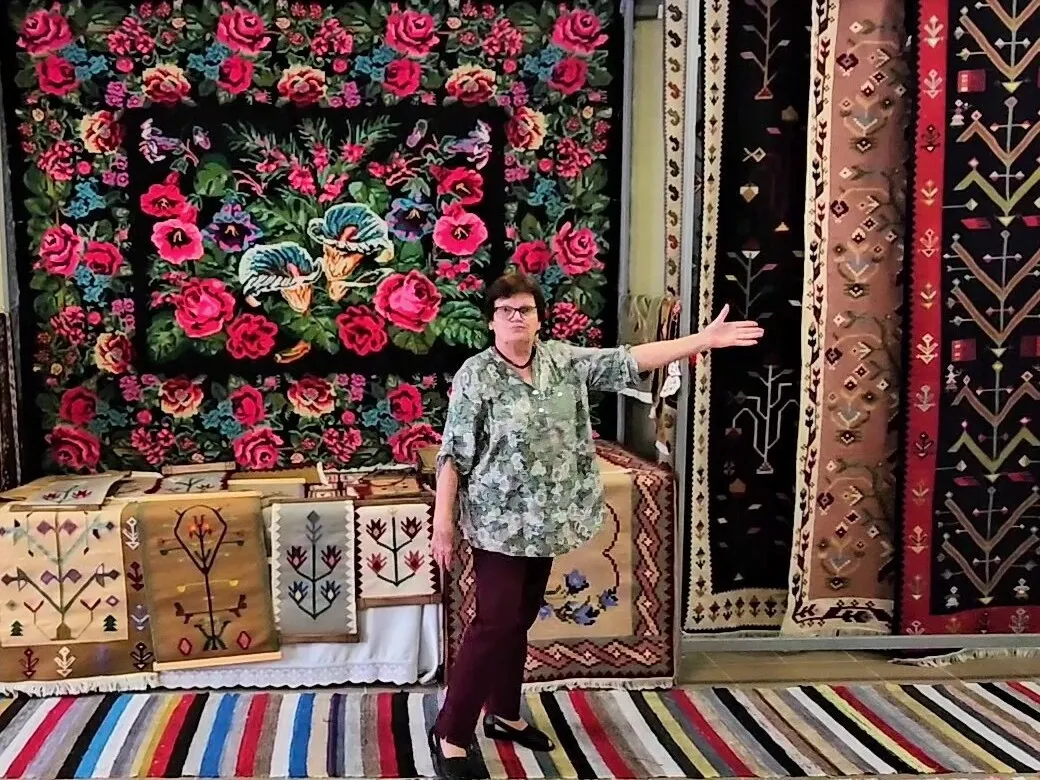
Your own carpet on a traditional hand loom, chisel Cosăuți stone, try your hand at the potter’s wheel and paint a Malanca winter mask
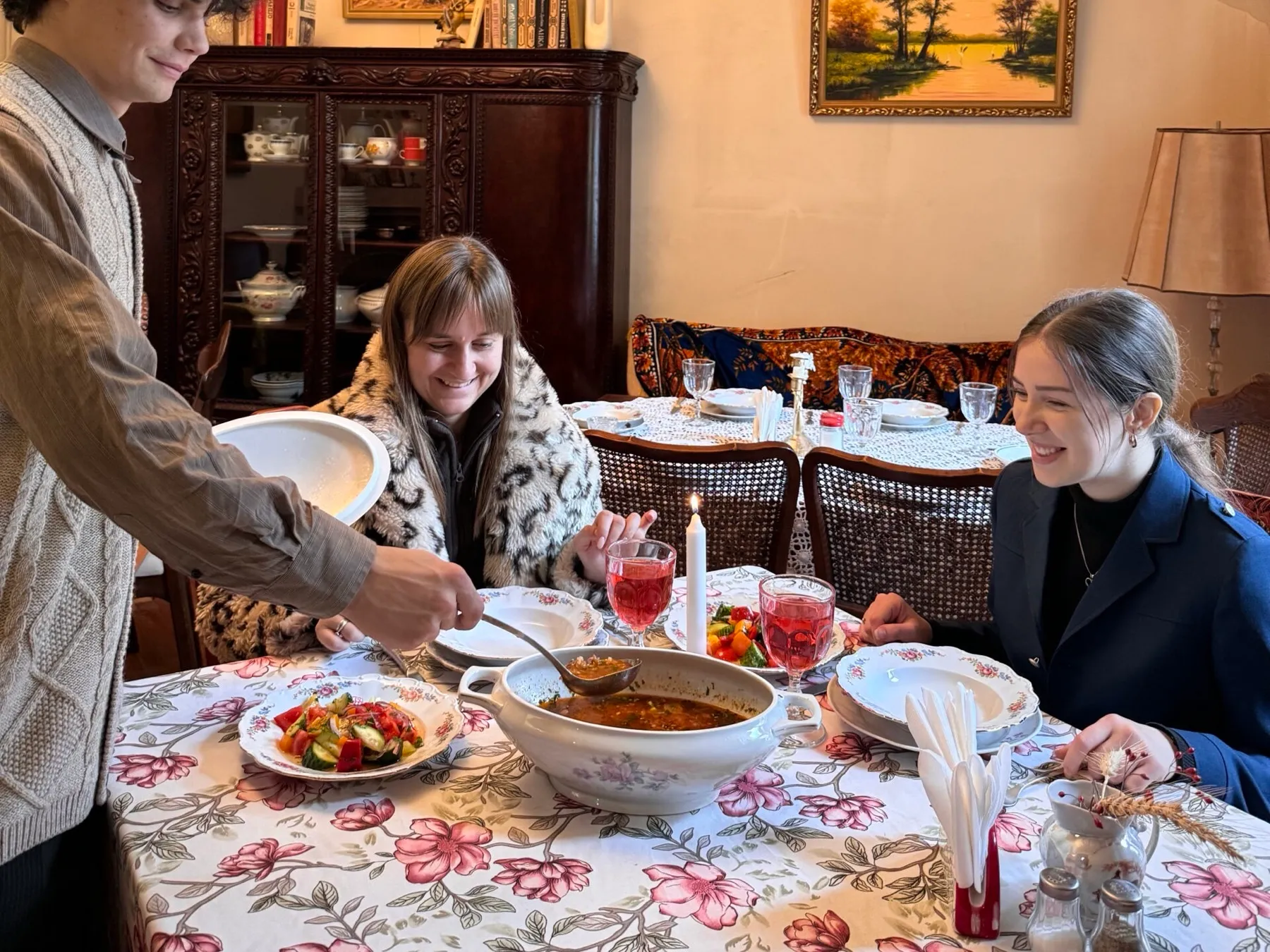
We’ll meet at our hotel beside Chișinău’s central park and walk to dinner at Dom 19:21, a restored 1921 house that cooks the way Moldovan families did a century ago — plăcinte, mămăligă and soups made to old recipes, served on embroidered tablecloths among heavy wooden dressers. At 19:21 every evening, the house pours tea. Then we stroll on for a nightcap at the Elvis taproom, which pours the “live” beer — no preservatives — that a family has brewed in the village of Puhoi since 1999, and sketch out the road north.
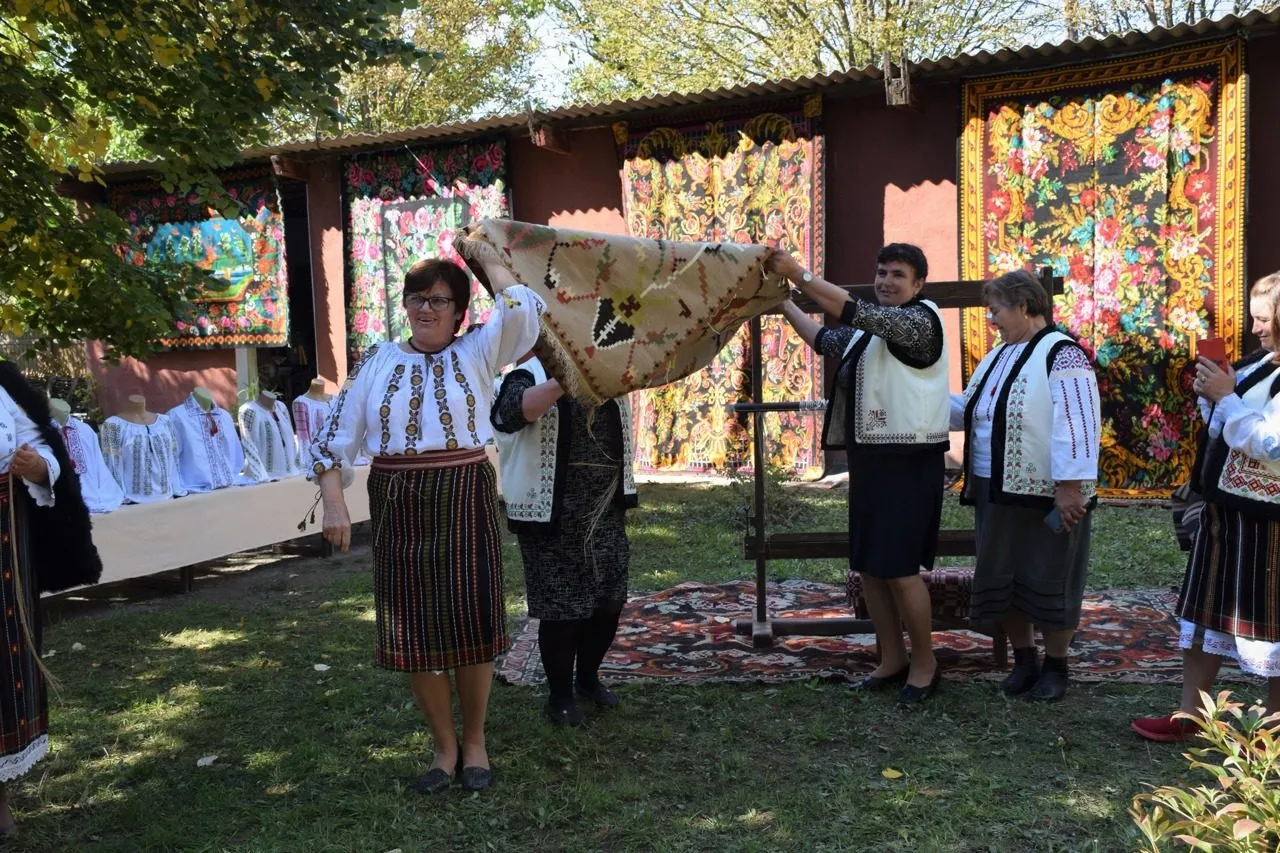
We leave Chișinău after breakfast for Clișova Nouă, where Ecaterina, a master weaver, has gathered old Bessarabian carpets into a museum and keeps the looms working. After a tour of the collection, she sets us to work in a weaving master class. Further north, in Roșietici, we stop at the băști — houses dug into the hillside under stone vaults, which locals like to compare to hobbit homes.
We reach Soroca for a late lunch on the Nistru River embankment, walk the walls of its fortress — a near-perfect stone circle raised in the 1540s — and drive up to the Candle of Gratitude for the view over the river bend. The evening belongs to Soroca’s Roma hill, famous for its palaces crowned with domes and rooftop horses. A Roma family welcomes us to dinner, where turkey sarmale are the dish of the feast, before we turn in at a hotel in the town centre.
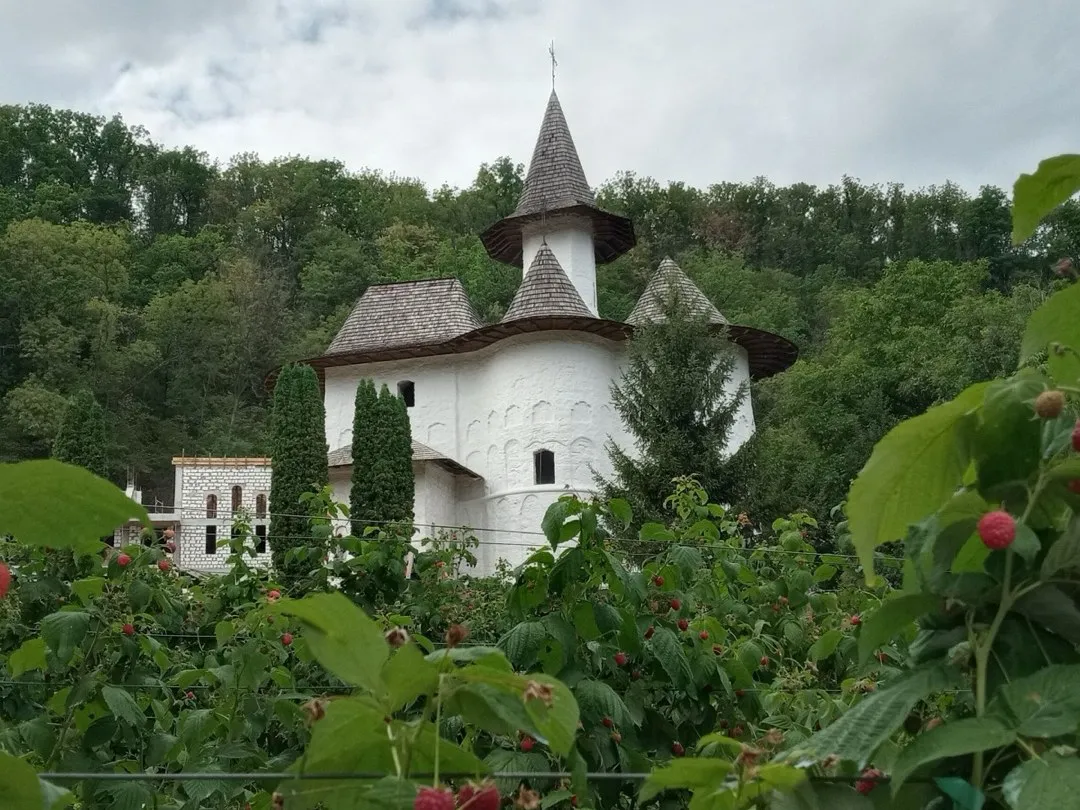
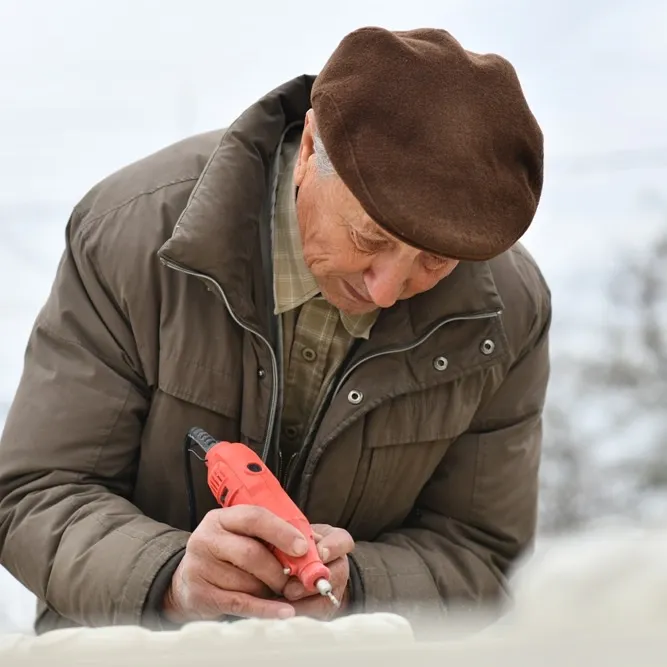
We start in Cosăuți, a village of some fifty stone carvers, where Ion, who set up its first stone-carving cooperative, and his son hand us hammer and chisel to try on the local sandstone. Then come two churches seven kilometres apart: the convent church at Rudi, built in 1777, and the church of Pocrovca’s Russian Old Believers.
Lunch is in Naslavcea, Moldova’s northernmost village, at the country’s only trout farm, where Dumitru walks us round the pools before the trout reaches the table. In the afternoon we drive to Țaul to stay with Iulia and Ion, who turned their apiary into a guesthouse after they retired. They open the hives for honey straight from the comb, and next door is Țaul park, planted between 1900 and 1904 for the banker Andrei Pommer, with his crumbling manor at its heart. Dinner ends with babă neagră, the dark, slow-baked cake no festive table in the north goes without.
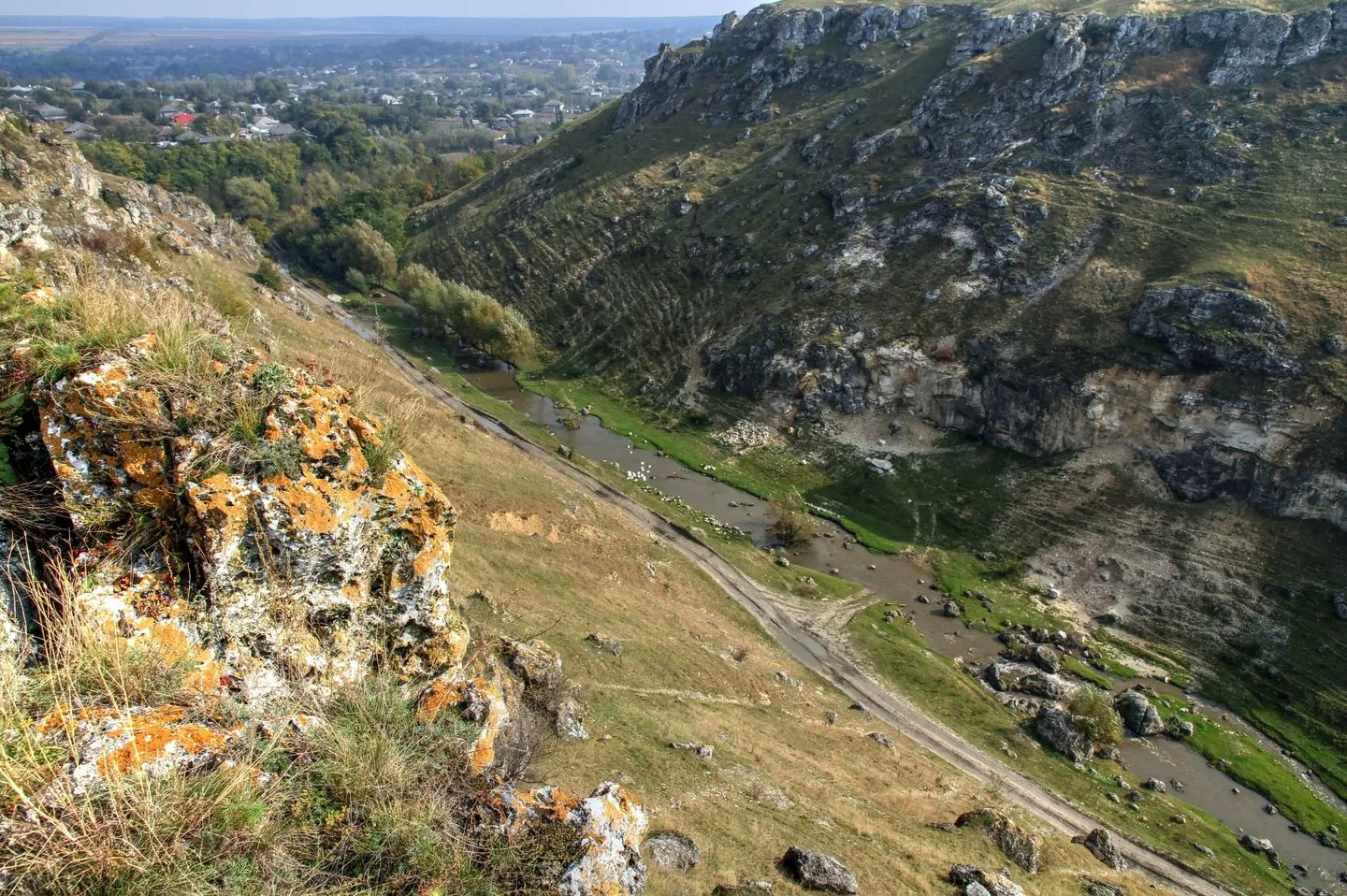
In Hlinaia, Marcel — who fell for masks as a boy, watching a neighbour make them for Malanca, the New Year masquerade, and has made more than a thousand since — shows us how flour paste and paper become a face, and we paint a mask of our own to take home. Then we set off on foot through the Trinca gorge, where Neanderthals camped in the caves more than 80,000 years ago, and follow the Draghiște river to Fetești, the limestone amphitheatre locals call Moldova’s Little Switzerland, for lunch at a family guesthouse.
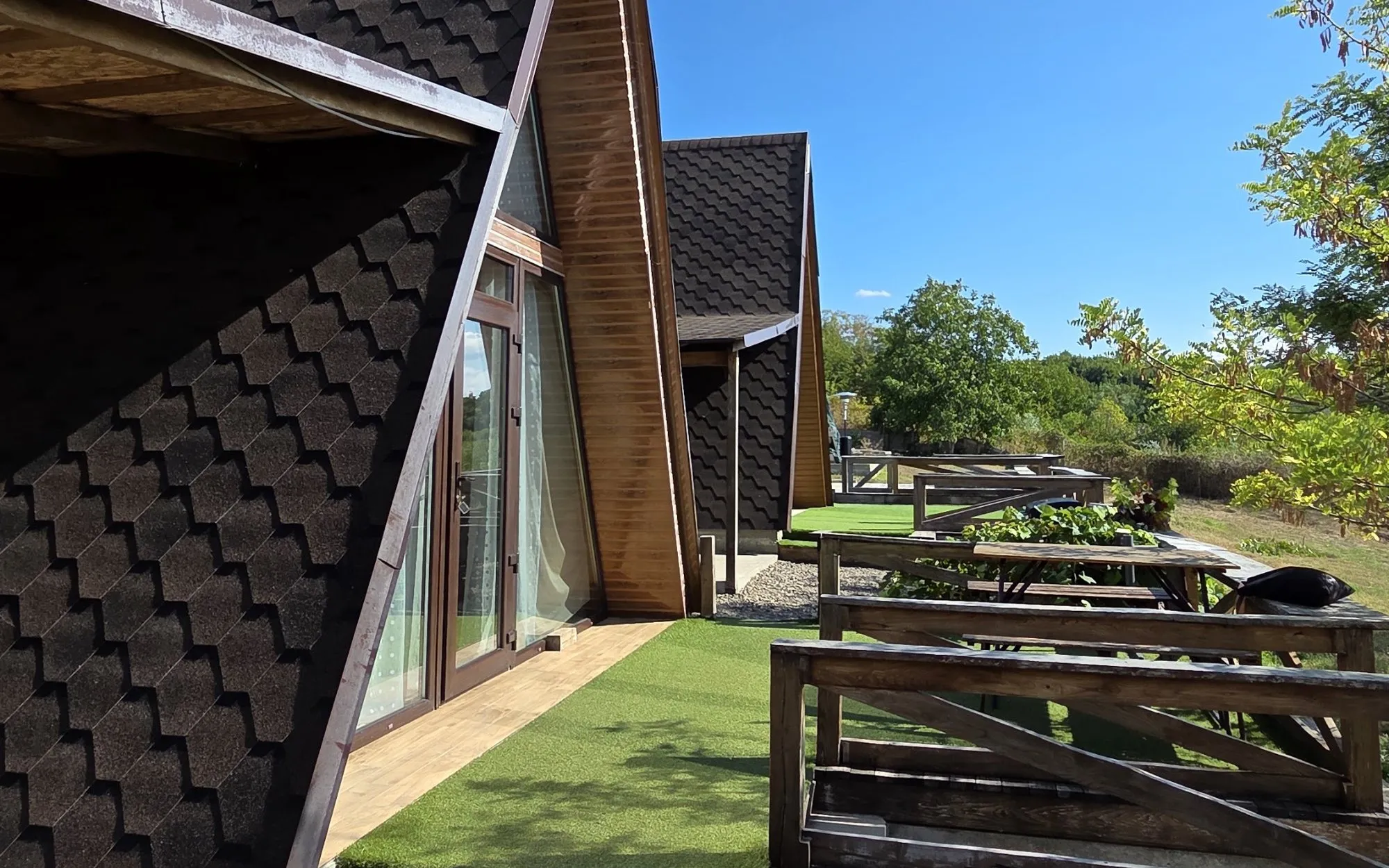
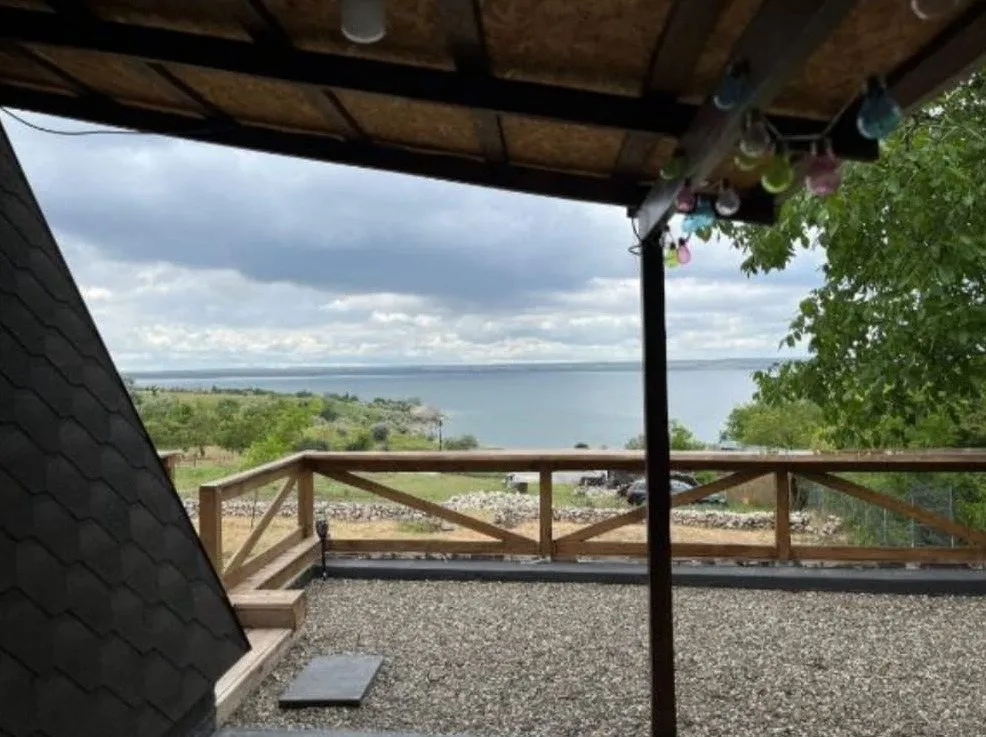
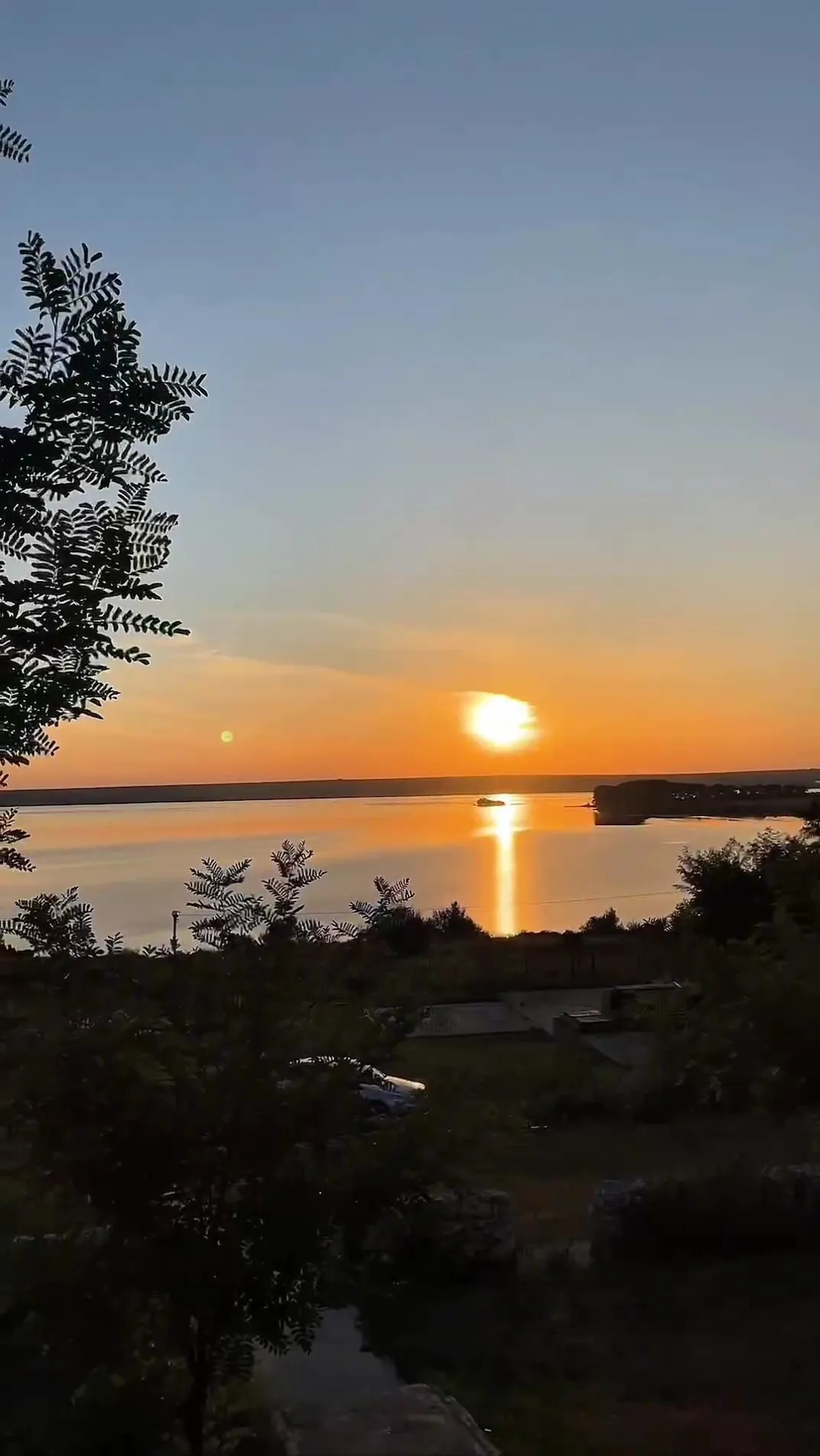
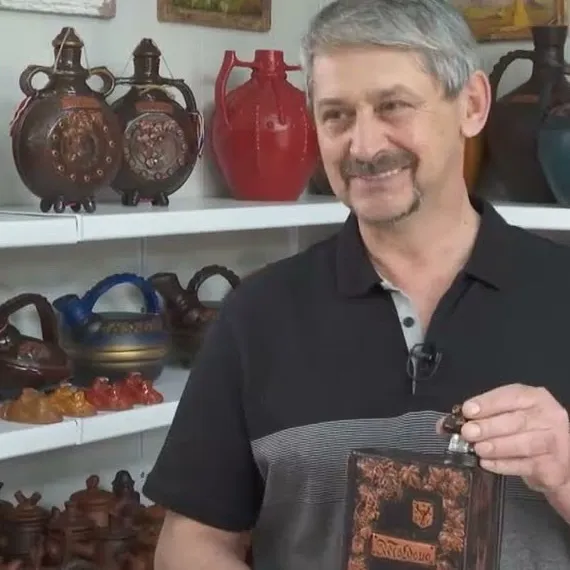
In Cupcini, a famous potter has spent more than twenty years turning clay into jugs and flasks, and we take a turn at his wheel. We spend the night in A-frame villas on the bank above the Prut River at Costești, where the reservoir turns gold at sunset.
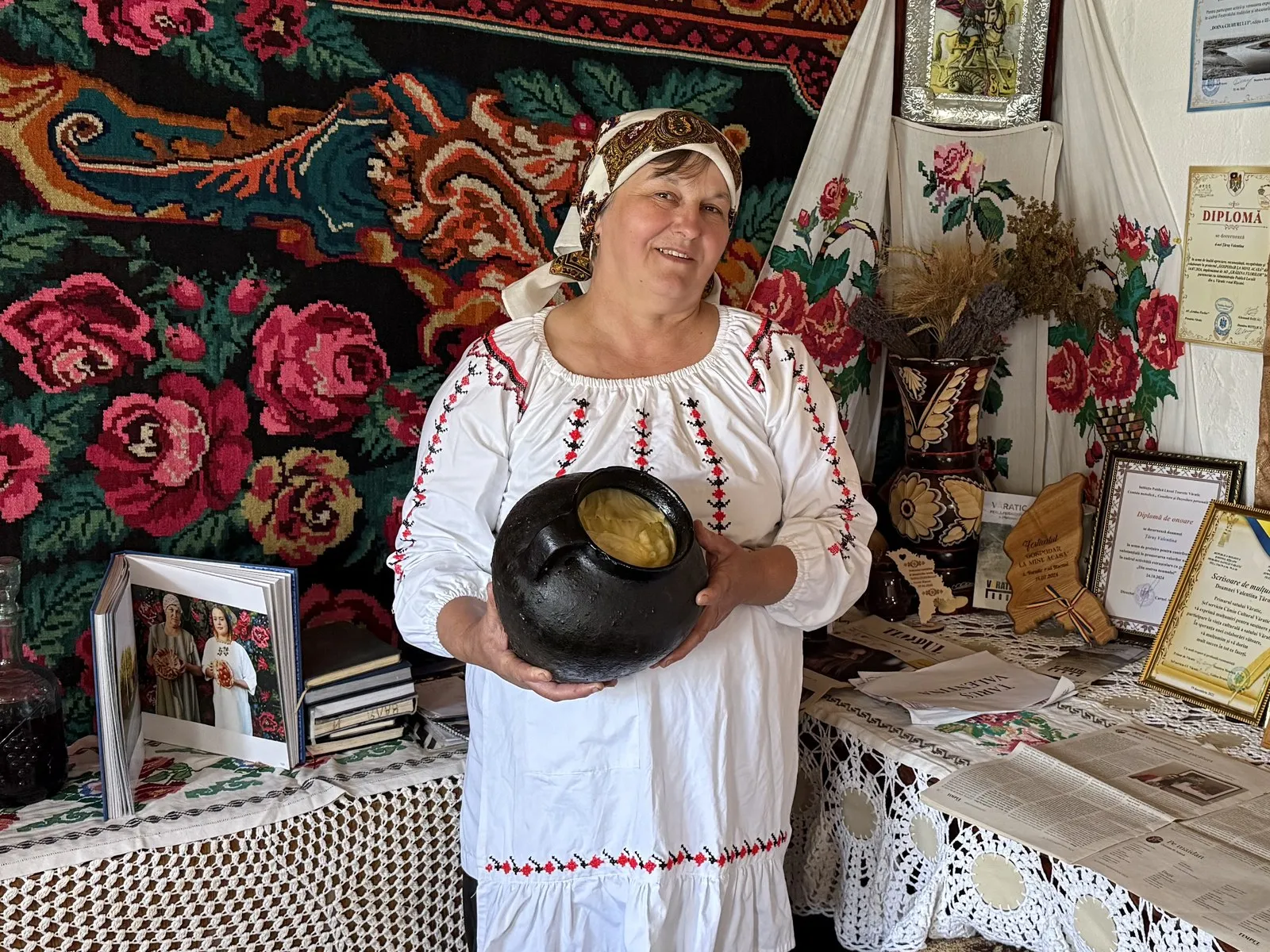
After breakfast we walk from the villas to the Duruitoarea gorge, where a cave above the reservoir sheltered people 100,000 to 160,000 years ago — one of the oldest Palaeolithic sites in Moldova. A few kilometres on, the Văratic gorge cuts through an ancient coral reef, with caves and three small waterfalls.
We stop for a home-cooked lunch in Văratic village, where we try the iconic village-style dishes of Moldova’s North. Then we drive to Bălți for Barza Albă, distilling since 1944, where a sommelier pours divins aged for decades and a calvados-style brandy made from apple cider and aged for fifteen years. Then it’s the road back to Chișinău, where we arrive by early evening.
Moldova’s first four-star hotel, newly renovated, beside the central park in Chișinău — an easy walk to dinner and the taproom on our first evening.
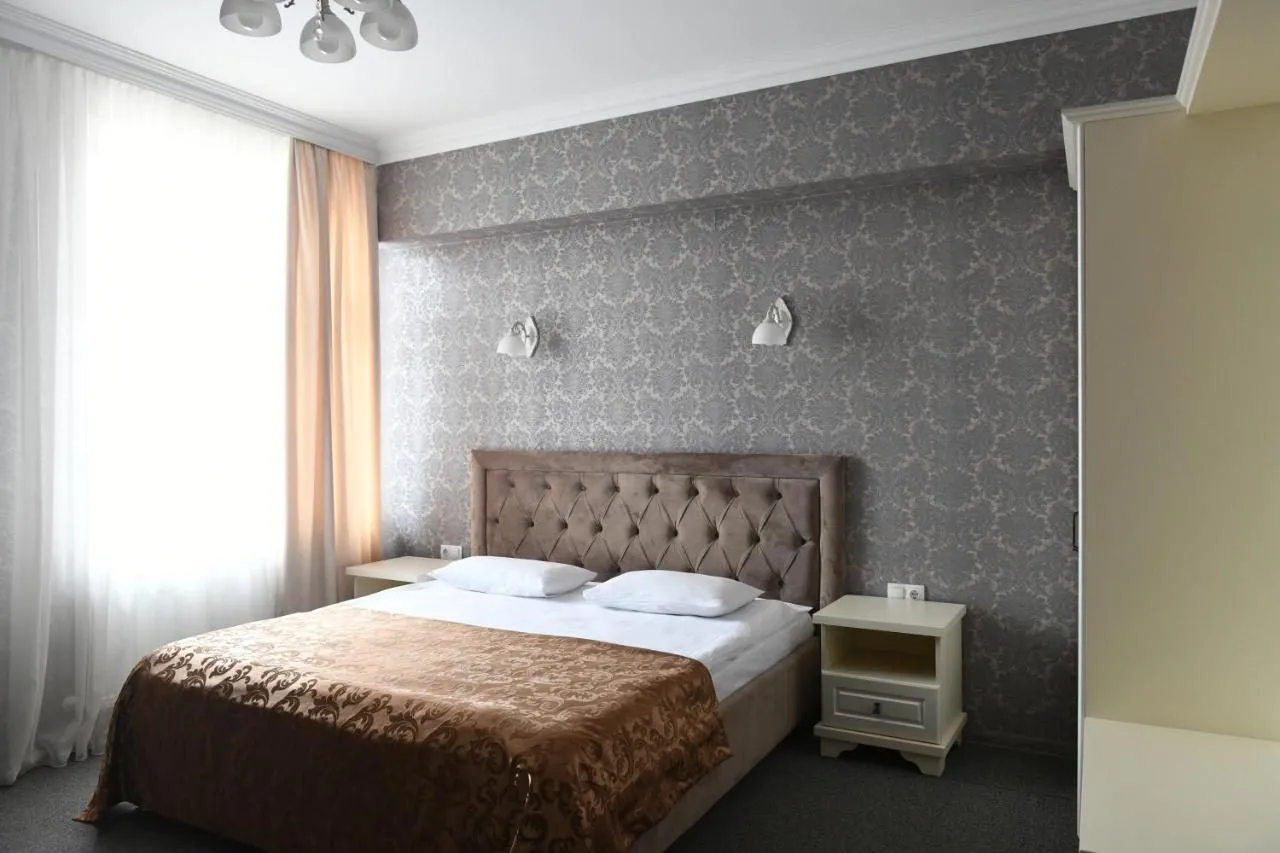
A small three-star hotel in the centre of Soroca, within walking distance of the fortress and the Nistru River, with its own restaurant.
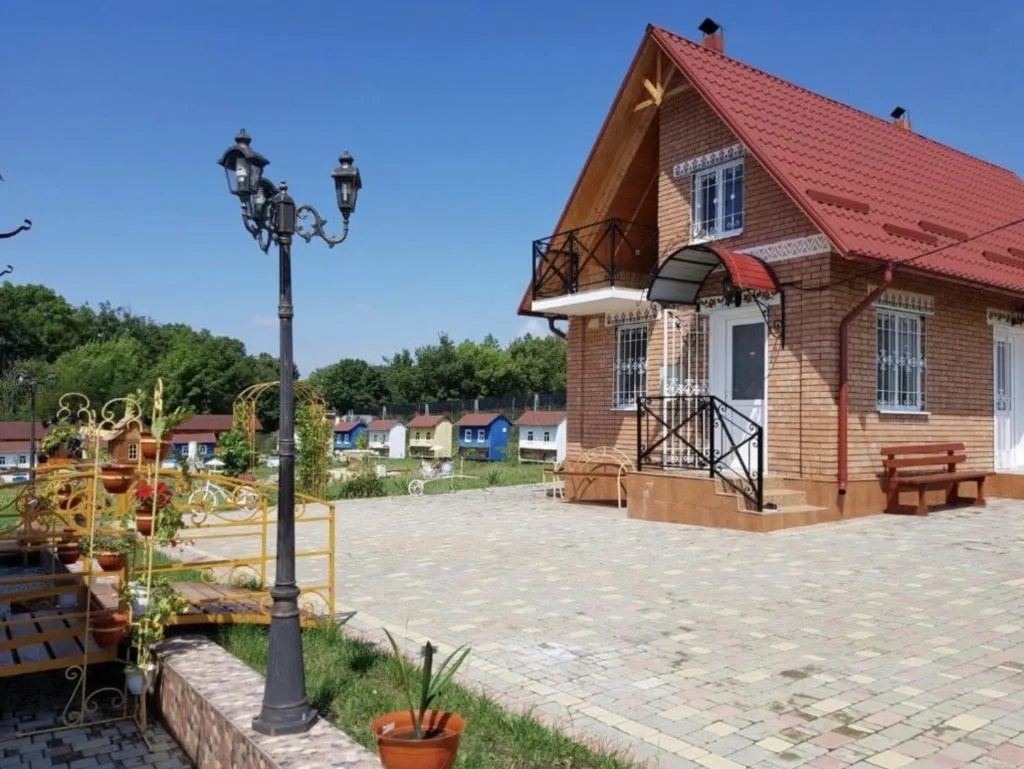
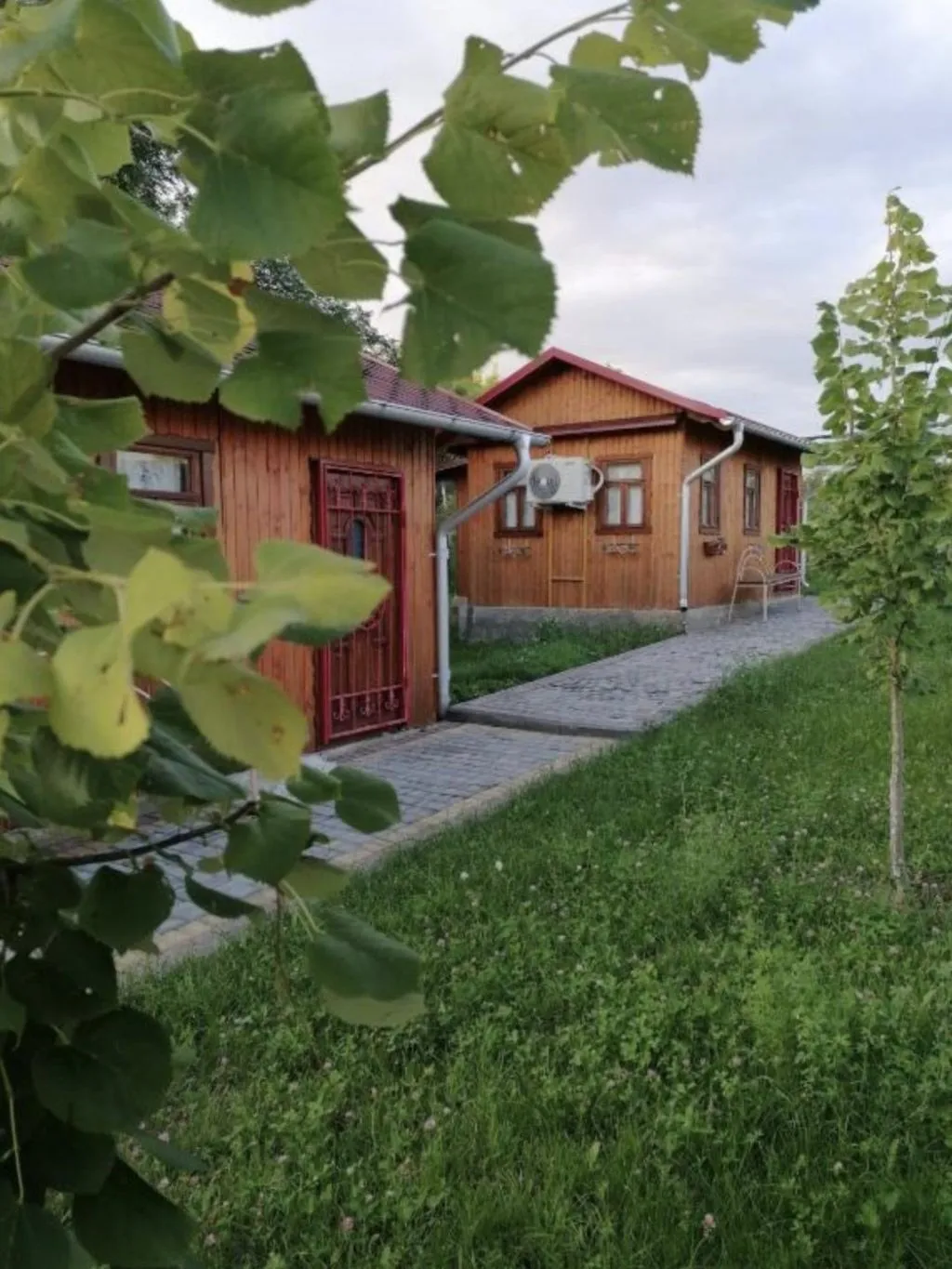
A family guesthouse built around Iulia and Ion’s apiary, at the edge of the forest beside Țaul park. Each timber cabin has its own shower room and air-conditioning, and Iulia cooks dinner and a breakfast of home-made cheese, yard eggs and honey.
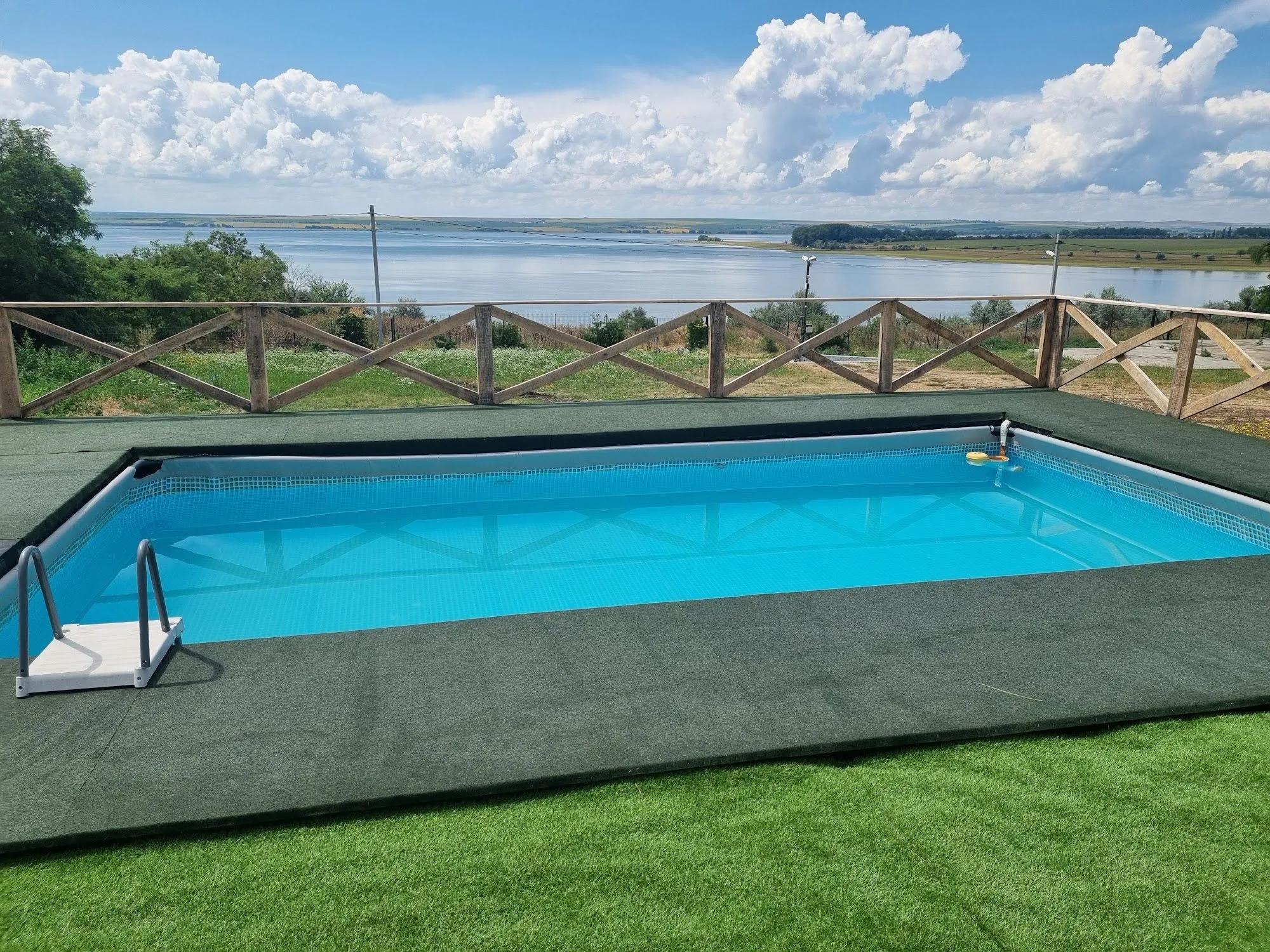
A row of A-frame villas on the bank above the Prut River reservoir at Costești, a short walk from the Duruitoarea gorge. Each villa has two levels, its own kitchen and bathroom, air-conditioning and a terrace with a grill, and there’s a pool looking out over the water.
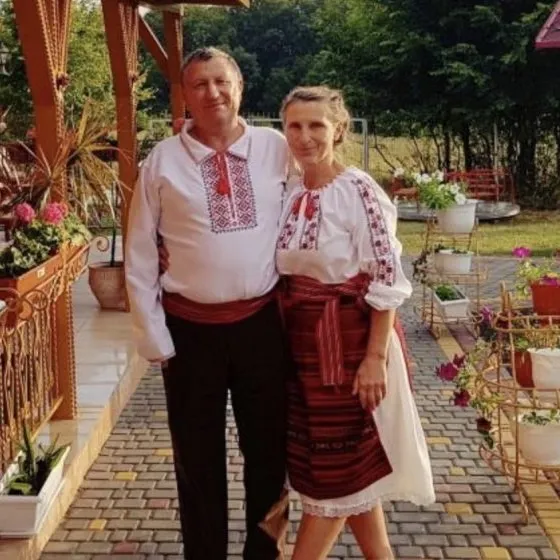
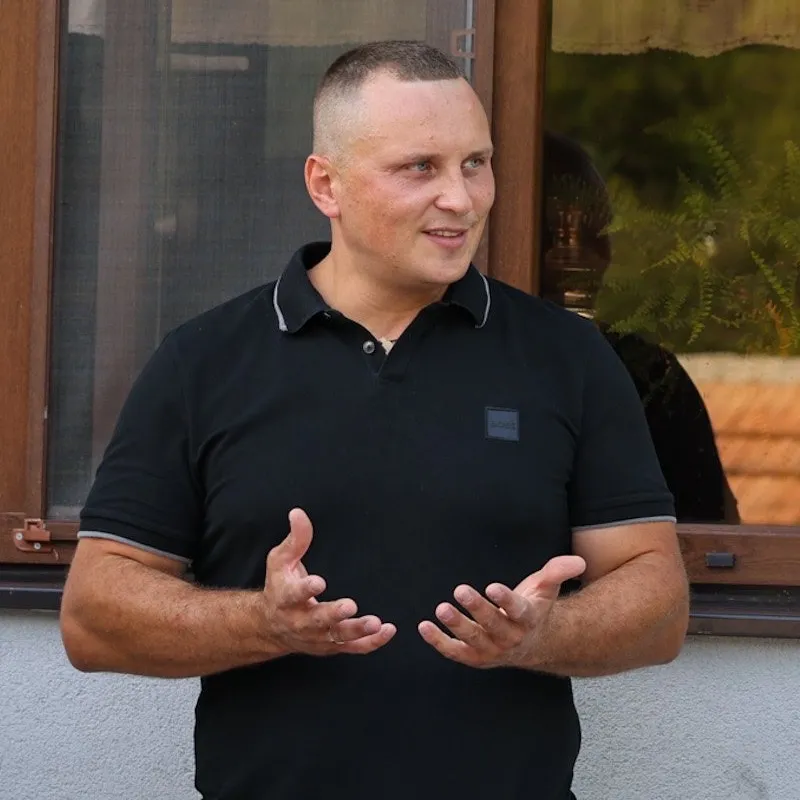
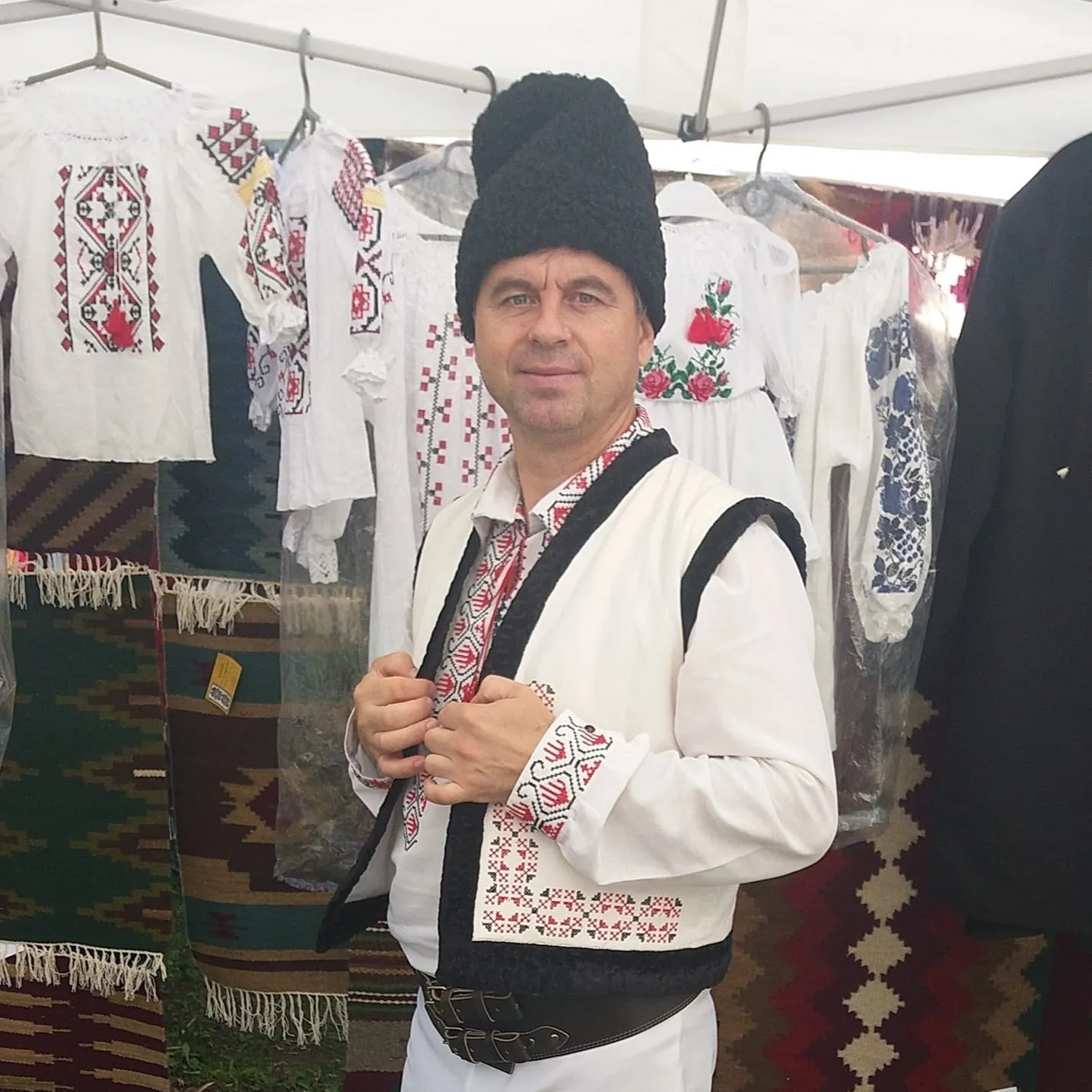
The people who open their workshops, cellars and kitchens to us along the way.
The trip is $1,500 per person, based on shared accommodation. If you wish to have single accommodations a $250 supplement is available. A $300 non-refundable deposit secures your place; the balance is due 30 days before departure.
Cancel 30+ days before departure for a full refund less the deposit; under 30 days the fee is non-refundable. We are not able to make exceptions in cases of family or medical emergency.
Moderate. The route covers about 690 km, so expect three to four and a half hours on the road each day from Day 2, broken up by stops. Day 4 includes a 5 km walk through the Trinca gorge, and Day 5 shorter gorge walks, on uneven paths with short climbs, alongside hands-on craft sessions — but never a hurry.
We encourage an adventurous palate. We do our best to accommodate restrictions, though some traditional dishes can’t be altered — tell us about allergies or intolerances before you book so we can advise.
Arrive in Chișinău by mid-afternoon on Day 1 for the welcome dinner, and depart any time from the evening of Day 5. Our route runs close to the Ukrainian and Romanian borders, so keep your passport with you each day. We’re glad to arrange extra nights at the group hotel — just ask after booking.
We expect to do everything listed, but the order of days may shift with the weather or local conditions. Our night in Țaul is in a family guesthouse’s timber cabins, each with three single beds. Just eight travelers keep every visit personal.